Why Theory Alone Is Not Enough
Nursing students study anatomy, pharmacology, and disease processes in the classroom, but patient care happens in real wards, clinics, and community settings. Practical learning bridges the gap between what is taught in lectures and what is required at the bedside.
Hands-on experience helps students build confidence, recognise normal and abnormal findings, and respond appropriately under supervision before they enter professional practice.
Skills Labs and Simulated Practice
Modern nursing programmes use skills laboratories to practise procedures such as vital signs measurement, wound care, injection techniques, and patient positioning in a controlled environment. Simulation allows students to repeat skills until they feel competent.
Faculty can guide technique, reinforce infection control, and discuss patient safety before students apply the same skills during clinical postings.
Clinical Postings and Real-World Exposure
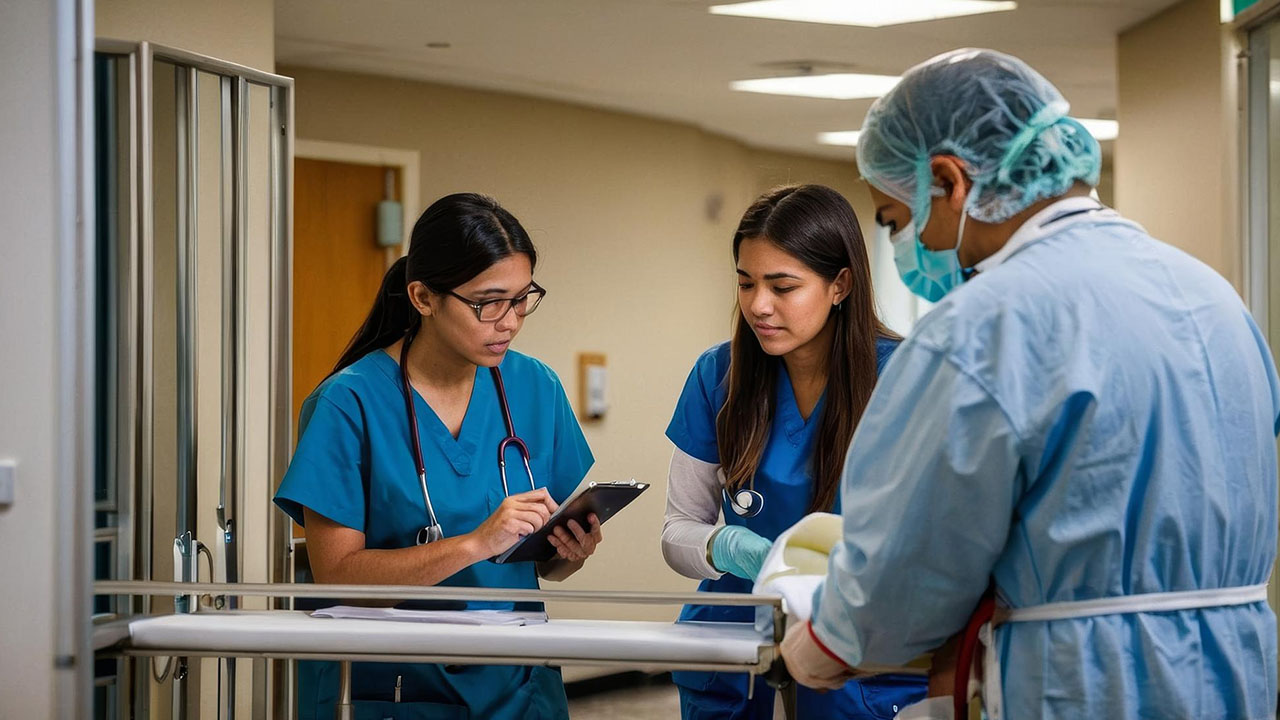
Supervised clinical training in hospitals and health centres exposes students to diverse patients, care teams, and daily ward routines. Students learn documentation, handover communication, and how to prioritise care within ethical and institutional guidelines.
These postings are where classroom knowledge becomes action—supporting recovery, comforting families, and collaborating with doctors, therapists, and fellow nurses.
Reflection and Professional Judgement
Practical learning is not only about performing tasks; it includes reflecting on experiences, asking questions, and developing professional judgement. Students learn when to seek help, how to escalate concerns, and how to respect patient dignity in every interaction.
Regular debriefing with mentors helps turn each clinical day into lasting learning rather than a checklist of duties.
How Vijaya Krishna Supports Practical Training
At Vijaya Krishna College of Nursing and Vijaya Krishna School of Nursing, practical training is integrated throughout the curriculum alongside academic study. Students are encouraged to practise diligently, follow safety standards, and grow into accountable caregivers.
If you are exploring nursing education, visit our campus pages to learn more about laboratories, library resources, and clinical training opportunities.
3 Comments
Clinical postings were the most valuable part of my training. This article captures why practice matters.
Good reminder that skills labs prepare you before you step into the ward. Helpful for first-year students.
Reflection and mentorship are so important. Thank you for highlighting professional judgement.
Leave a Comment
Your email address will not be published. Required fields are marked *